
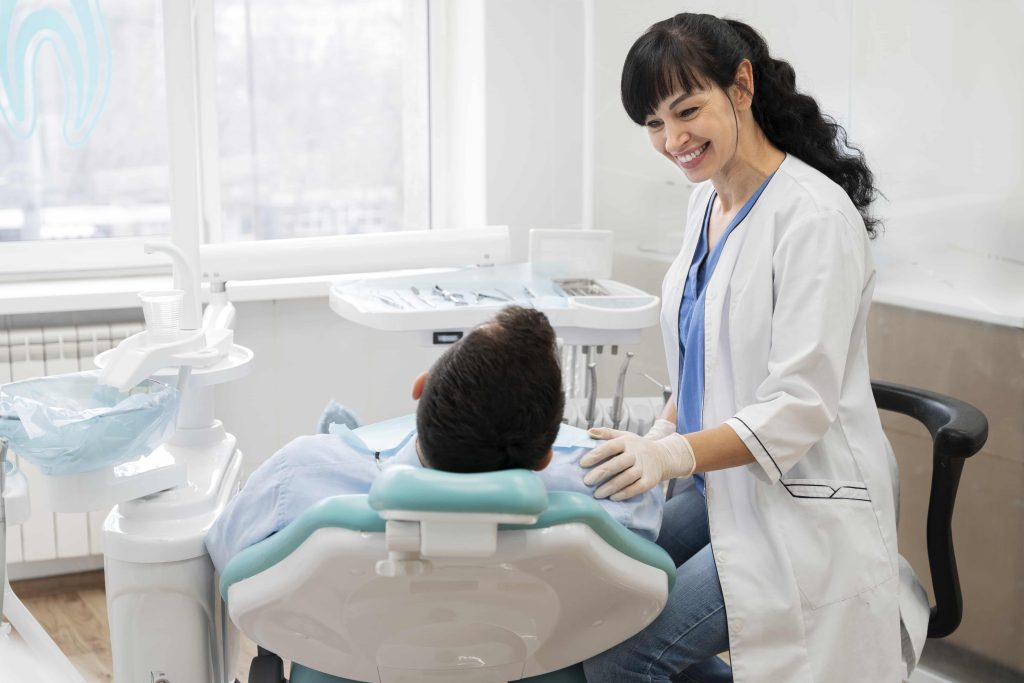
For many Australians, walking into a dental practice for the first time can feel like stepping into the unknown. Whether it’s a child’s first experience with oral healthcare or an adult returning after years away, the way your practice handles that initial visit shapes everything that follows.
When practices focus on communication, comfort, and preparation, they build trust and turn one-off appointments into long-term relationships.
Here’s how to look at the first visit through the eyes of your patients and why it matters more than ever.
Why the First Visit Sets the Tone
That first visit is your golden opportunity. Get it right, and you’ve got a patient for life. Get it wrong, and they’ll ghost before they even make it to the chair again. When your practice delivers a first visit that’s:- Organised
- Warm and welcoming
- Clear in its communication
- Lower anxiety
- Increase treatment acceptance
- Minimise cancellations and no-shows
- Build loyalty from the start
What Patients Feel Before They Arrive
If it’s been a while since you were on the other side of the front desk, it’s easy to forget how nerve-wracking that first visit can feel. What they’re thinking:- “Will it hurt?”
- “How much will this cost me?”
- “Are they going to judge me?”
- “I don’t even know what’s going to happen.”
What Actually Happens During a First Dental Visit?
While every practice has its own rhythm, most new patient appointments follow a familiar path. When patients know what to expect, they relax and trust you more. A typical first visit might include:- A warm, friendly welcome
- Completing digital or paper forms
- Reviewing medical history
- Full-mouth exam
- X-rays (if needed)
- Discussing what was found and what comes next
- A treatment plan with cost estimates
- Sometimes a clean, depending on time and need
How to Help Patients Prepare
Setting the stage for a smooth appointment doesn’t start in the chair it starts well before. Prep tips to share with patients:- Fill out forms online, if possible
- Bring a list of current medications
- Write down any symptoms or concerns
- Arrive 10 minutes early
- Let the team know about dental anxiety or previous bad experiences
Dealing with Dental Anxiety (The Smart Way)
Dental anxiety is real and common. Some patients avoid the dentist for years because of it. Your team’s job is to spot the signs and meet them with patience and empathy. Ways to help anxious patients feel safe:- Use calm, friendly, non-technical language
- Offer noise-cancelling headphones or music
- Give patients permission to pause treatment
- Use visuals to explain what’s happening
- Normalize their questions and reassure without judgment
The Whole Team Shapes the Experience
Every single team member has influence over how a new patient feels about your practice. Front Desk:- Answers calls with warmth, not scripts
- Explains fees and processes clearly
- Always uses the patient’s name
- Meet patients in the waiting area with a smile
- Explain what’s happening next
- Offer reassurance or conversation if needed
- Ask open-ended questions to understand patient needs
- Give clear, honest explanations without the jargon
- Avoid rushing through conversations, especially during a first visit
Feedback is Your Secret Weapon
Want to improve the new patient experience? Ask the people who just lived it. Here’s how to use feedback well:- Send short satisfaction surveys after the visit
- Include questions specific to the first-visit experience
- Review trends in team meetings
- Use real feedback to refine scripts, forms, and workflows
Long-Term Trust Starts at Visit One
When patients feel respected, listened to, and cared for during that first visit, they’re far more likely to:- Say yes to treatment
- Refer friends and family
- Leave a glowing review
- Keep coming back
Final Tips to Level-Up Your First Visit Experience
- Send a friendly welcome email with appointment details and FAQs
- Offer a quick tour or visual guide of the practice (especially for kids or anxious adults)
- Make the environment warm and relaxing not sterile and cold
- Block extra time for new patients so no one feels rushed
- Follow up with a thank-you message and a feedback link